
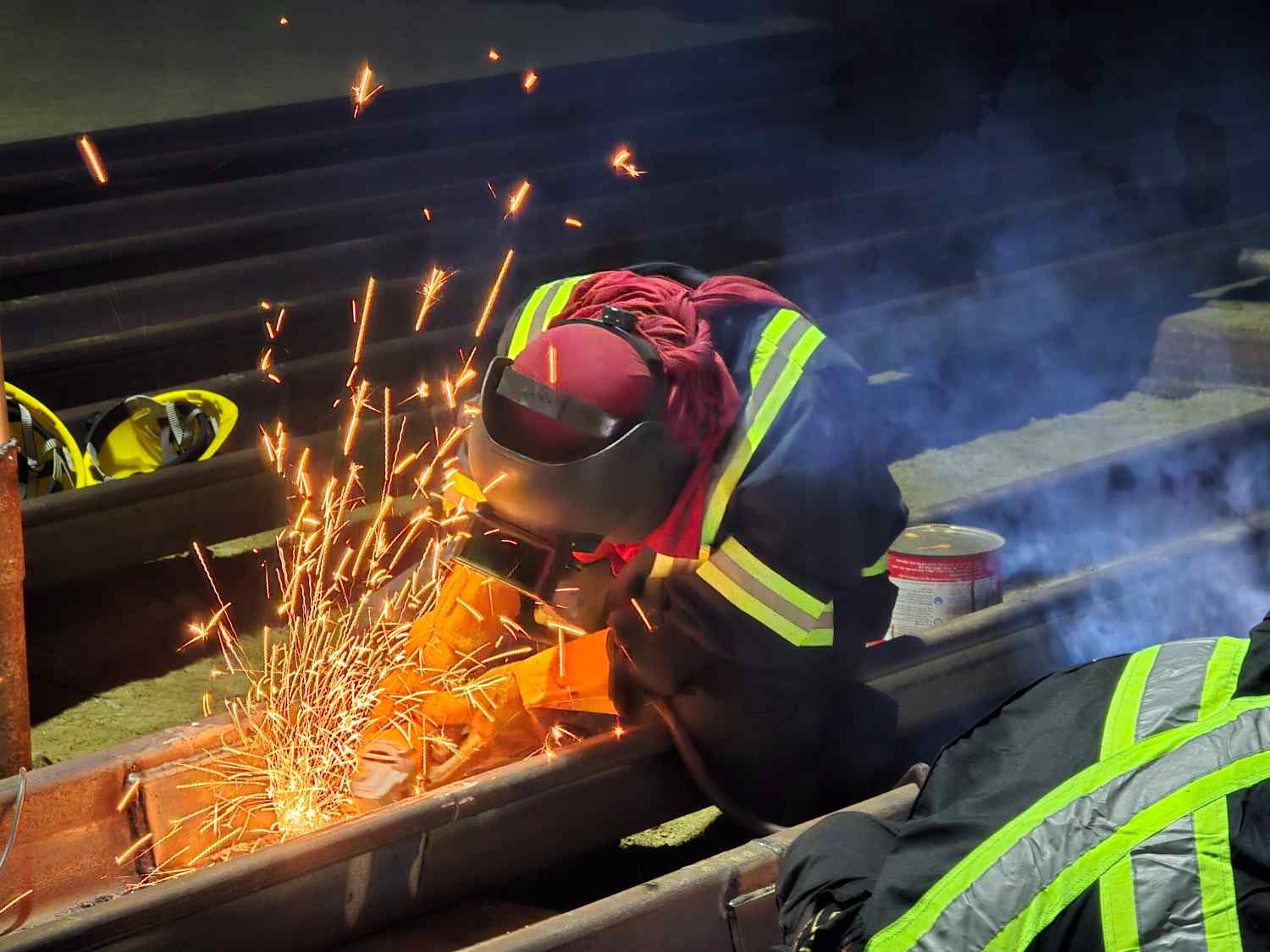
Barisal Power Plant Project 400 Meter

AMORAS is an innovative collaboration between the government, the port and dredging companies The Antwerp docks need permanent dredging, just like other docks. This is to guarantee draught and thus accessibility. The new dewatering plant provides a sustainable and long-term solution to treat this dredged material
Valorising contaminated port sediments
AMORAS – the Dutch acronym for Antwerp Mechanical Dewatering, Recycling and Application of Sludge – is an investment by the Flemish Authority and Municipal Harbour Enterprise Antwerp. The project provides a solution for the disposal and processing of maintenance dredging sludge from Antwerp's port docks. Since 2011, the dewatering plant has been processing 450,000 tonnes of dry matter into filter cakes every year. The temporary trade association SeReAnt – of which Jan De Nul and DEME are part of – operates the plant.
The category of maintenance dredging spoil also includes the most contaminated variant of dredging sludge – Tributyltin, or TBT in short. There was no treatment process for this until now.
Lydia Peeters, Flemish Minister of Mobility and Public Works:
After years of research, there is now finally a solution to this historical pollution. This is a worldwide first and a milestone for Flanders and the port of Antwerp. We will remove the most heavily polluted sludge from the port. This will improve the water quality substantially.
Yi-Bin Shan, Head of the Maritime Access Department of the Mobility and Public Works Ministry:
One type of sludge could not yet be treated: sludge with elevated organotin concentrations or Tributyltin. TBT was used worldwide in ship paint since the 1970s to prevent the accumulation of mussels and algae on hulls but has been banned since 2003. The product is extremely harmful to the environment and is also difficult to break down. The sludge has been storing TBT like a sponge all these years and is gradually releasing the contamination.
Jacques Vandermeiren, CEO of Port of Antwerp:
Together with the University of Antwerp, we have been examining for several years how to get TBT out of the port. We are proud that we are now finally able to tackle this historical pollution. Currently, the water quality in the docks scores below the European standard. With this project, the quality will strongly improve.

M

Euro Turn Over

M

Euro Turn Over

M

Euro Turn Over

M

Euro Turn Over
Did you know?
  • Mangrove deliver important eco-system services: they are carbon sinks, serve as water filters, are hotspots for biodiversity, protect coasts from erosion and support socio-economic activitites. 
  • The island is built using dredged material from a local access channel, making this type of nature-based solutions economically feasible. 
  • We established a local management system for the mangrove island, building upon its ecological and socio-economic value. Local stakeholders and communities were involved in every step of the project and act as custodians. 
Pier and jetty construction
Did you know?

Processing the total quantity of polluted sludge in the port of Antwerp will be a long-term assignment. In 2018, a pilot project was launched to process contaminated dredging sludge in AMORAS. This mapped the impact on the plant and potential risks. 

The agreement involves removing 800,000 m³ of sludge from the docks and processing it into 500,000 tonnes of filter cakes. For this, the sludge that obstructs nautical access will first be removed. The worst TBT hotspots will also be taken care of. After this, the other areas in the port will be treated.

The process starts with dredging the contaminated TBT sludge from the docks. With a 15 m³ eco friendly gripper, we avoid spreading the pollution to the surrounding water. The dredged spoil is transported to the AMORAS treatment plant in transport containers of 2400 m³. SeReAnt extracts the sludge from the transport containers and pumps it into the treatment plant. Here, coarse dirt and sand are removed. The wastewater is purified via a water treatment plant. TBT sludge is further purified by activated carbon. The water then flows back to the docks. The sludge is processed into a dry end product – filter cakes that are safely stored on the deposit site. The site has a capacity of 14 million cubic metres, good for storing dewatered sludge for another 30 years
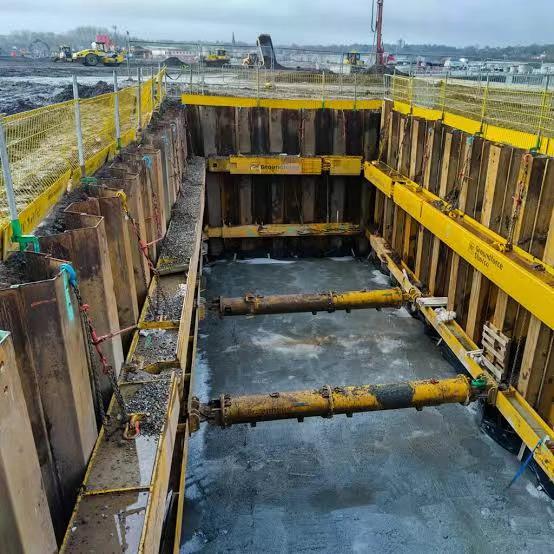
Barisal Power Plant Project

HISA Project

Dhaka

HISA Proejct

Dhaka

HSIA Project

Dhaka

SIMEX Bangladesh Logo
SIMEX Bangladesh is a leading infrastructure and engineering company specializing in marine works, deep foundations, steel structures, and large-scale civil projects.
Head Office:
302,Lane 4, Baridhara DOHS, Dhaka-1206, Bangladesh.
Hotline:
+88 017 3333 1042
Follow Us
Copyright © 2026 by SIMEX Bangladesh